Luxury Handbag Investment Guide 2026
Luxury handbags can be both a style statement and a financial asset — but only if you buy the right brands, styles, and conditions. This guide ranks the bags in our catalog by investment potential, explains which brands hold value and why, and gives you a practical framework for buying bags that appreciate rather than depreciate.
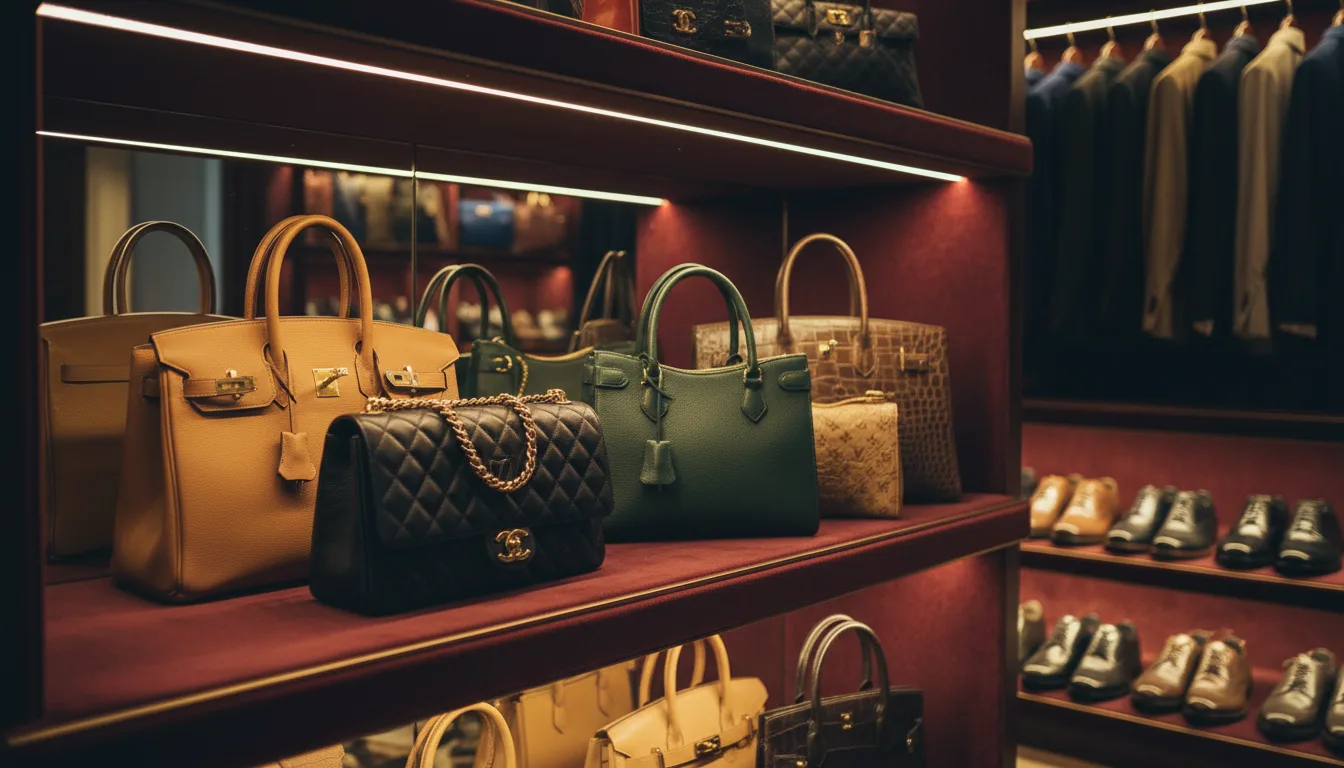
Why Some Bags Appreciate While Others Lose Value
The luxury handbag resale market exceeded $40 billion globally in 2025, growing at roughly 15% per year. Certain bags — particularly from Louis Vuitton, Hermes, and Chanel — consistently sell above their original retail price on the secondary market. A Louis Vuitton Pochette Accessoires purchased in the $500-$1,000 range today could sell for a similar or higher price on the resale market within two years if kept in excellent condition.
But most luxury bags are not investments — they are depreciating consumer goods. The difference between an investment-grade bag and a depreciating fashion purchase comes down to three factors: brand equity, design longevity, and material durability. Bags that score high on all three retain value. Bags that rely on trends, seasonal colors, or brand hype alone lose 30-60% of their value within the first year.
Understanding these dynamics helps you make smarter purchasing decisions. Even if you never plan to resell, buying bags with strong investment profiles means you are getting the best combination of quality, design, and brand prestige — the same factors that make a bag enjoyable to own for years.
Investment Tiers: Ranking Our Catalog
Tier 1: Strong Appreciation Potential
These bags have the highest probability of retaining or exceeding their purchase price over 3-5 years, assuming excellent condition maintenance.
Louis Vuitton Pochette Accessoires Monogram
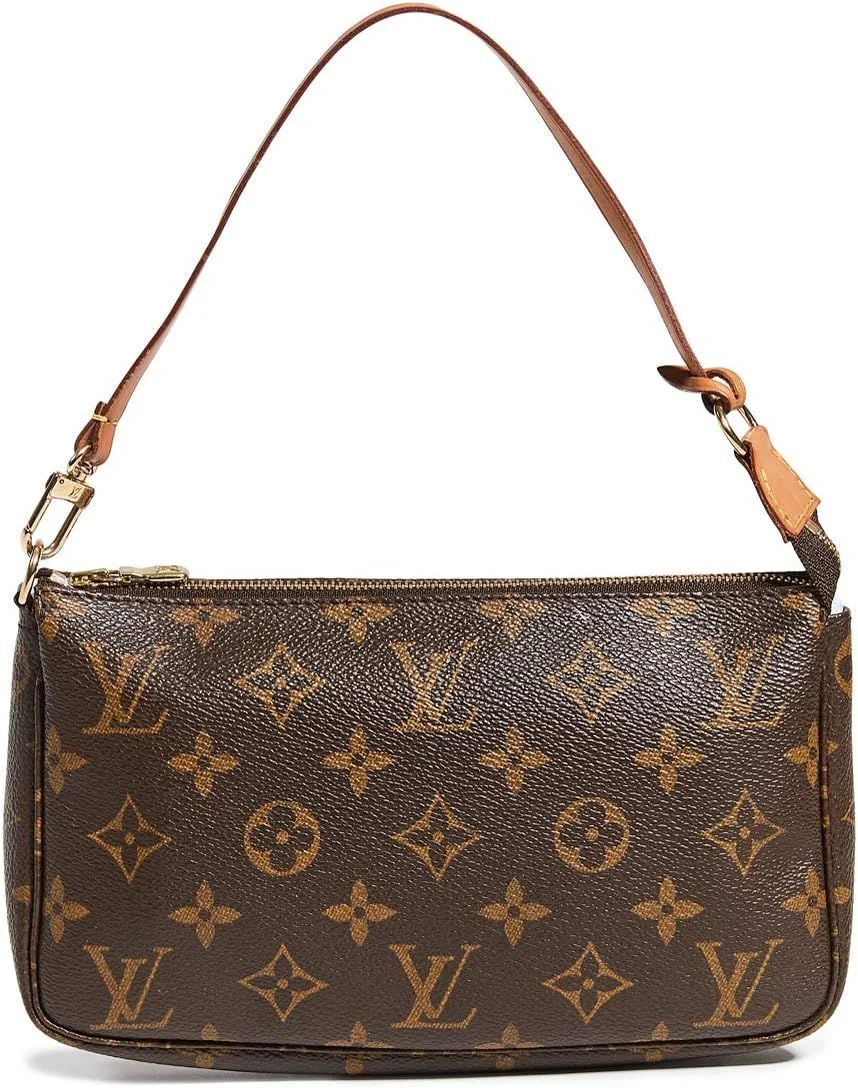
The LV Pochette Accessoires is the single strongest investment in our catalog. Louis Vuitton monogram canvas retains 80-100% of retail consistently, and the Pochette — as one of LV's most in-demand compact bags — frequently sells at or above retail on resale platforms. The vachetta leather develops a honey patina that collectors actively seek, and the compact size means it ages well even with regular use.
Gucci Soho Leather Flap Shoulder Bag
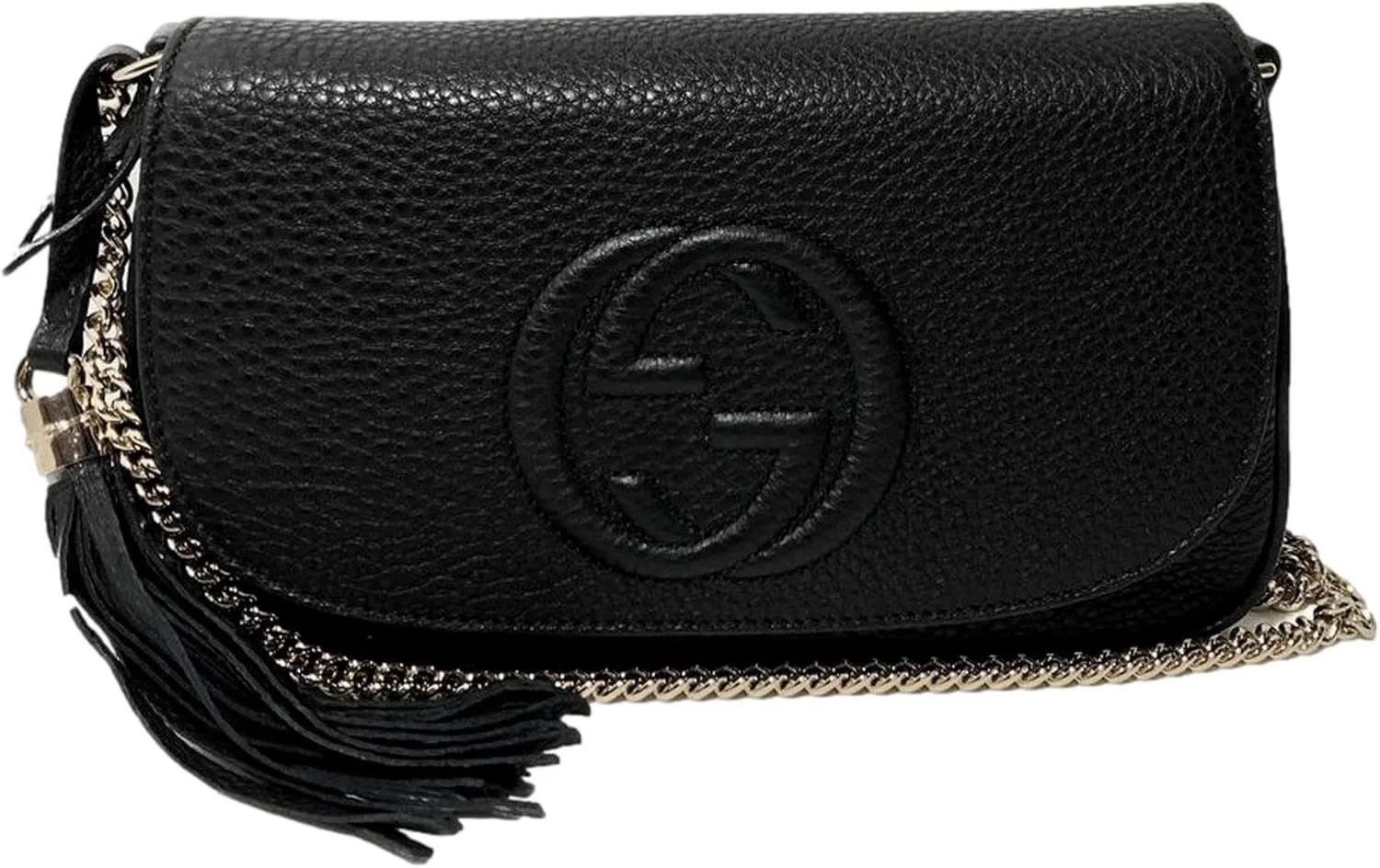
The Gucci Soho line is one of Gucci's most consistently in-demand collections. The embossed GG logo is iconic without being trend-dependent, and the design has remained desirable since its introduction. Gucci's resale market is robust, with Soho pieces holding 55-70% of retail value in good condition.
Gucci Interlocking GG Leather Chain Shoulder Bag
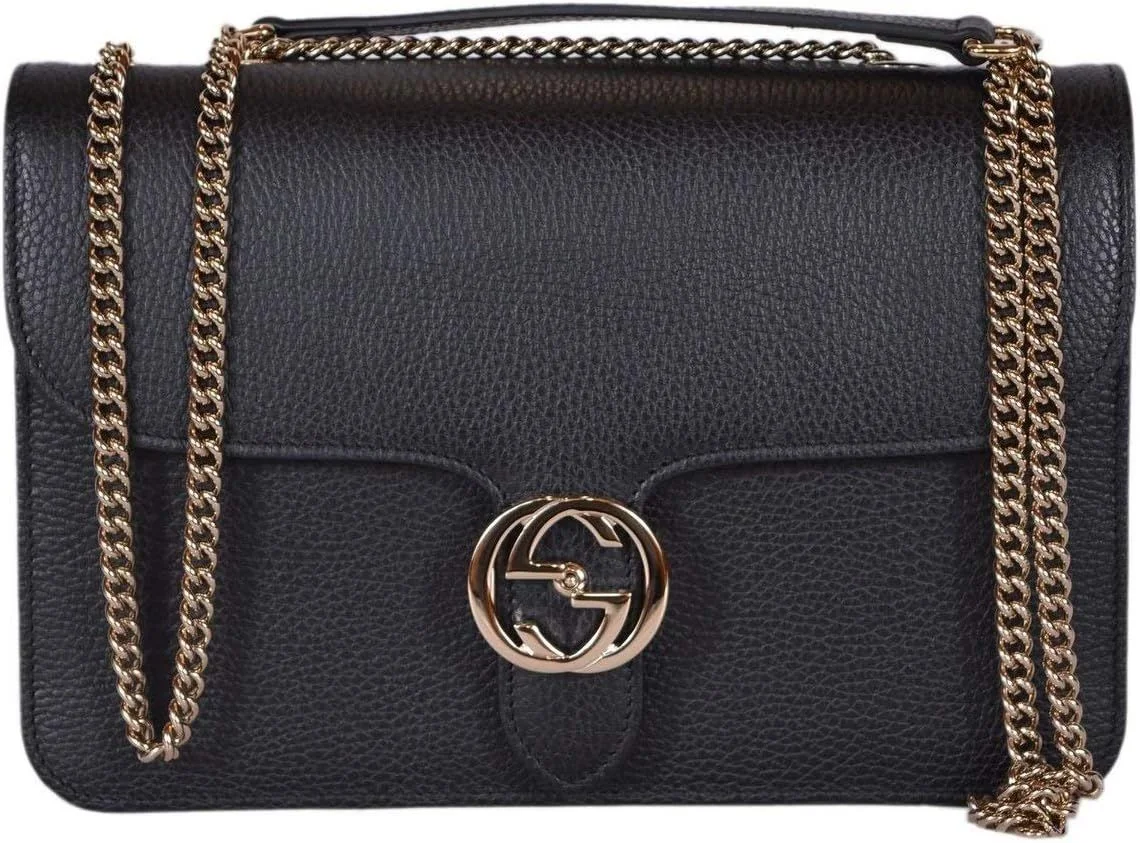
The interlocking GG hardware is Gucci's most recognizable signature, and bags featuring it hold value well on the secondary market. The gold curb chain adds hardware value that appreciates as gold prices rise. Classic black colorways retain stronger value than seasonal colors.
Black and neutral-tone bags retain 15-25% more resale value than bold or seasonal colors. If investment potential matters to you, always choose black, brown, or beige over pink, red, or white — even if the seasonal color is more exciting at purchase time.
Tier 2: Strong Value Retention
These bags hold 50-70% of retail value and are excellent buys for anyone who wants quality that endures — but should not be purchased purely as financial instruments.
Prada Esplanade Saffiano Leather Top-Handle Bag
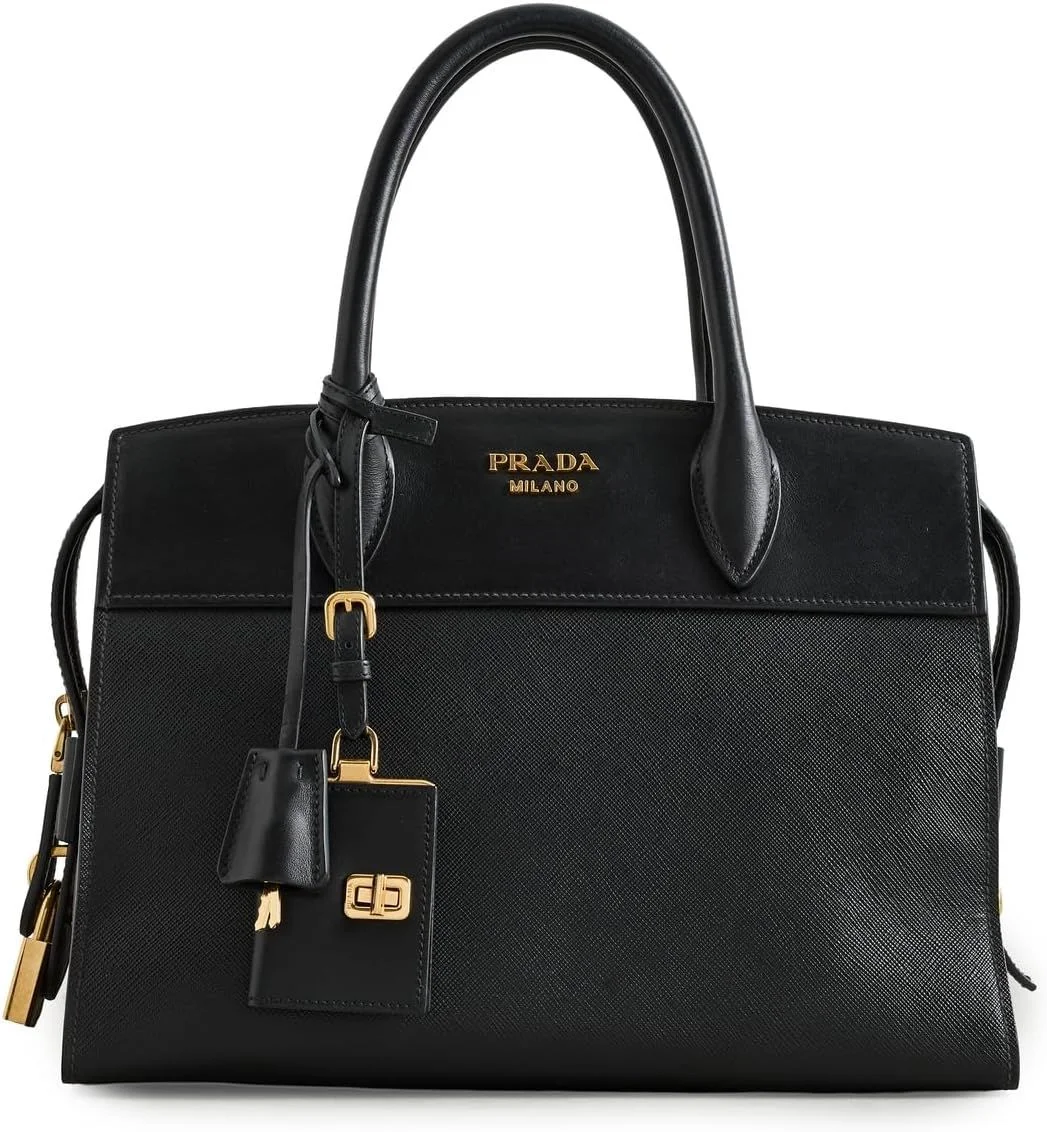
Prada saffiano leather is the gold standard for durability, and the Esplanade represents Prada's top-handle heritage. Prada's resale market is strong, and saffiano pieces specifically hold value because the leather looks nearly new even after years of use. The dual-texture design gives it a distinctive identity that collectors recognize.
Prada Tessuto Nylon Two-Way Tote Crossbody
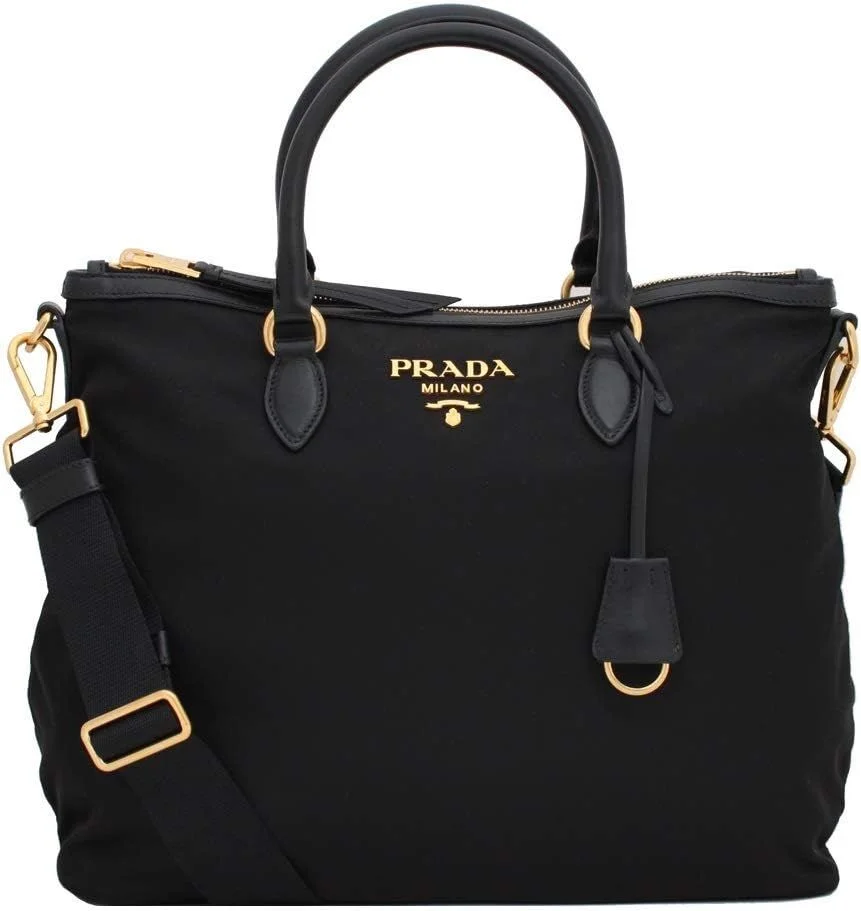
Prada's tessuto nylon is a heritage material with strong brand association. Nylon Prada bags hold their value better than many leather alternatives because the material is virtually indestructible — a 10-year-old tessuto bag can look brand new. The vintage nylon Prada market is actively growing, which benefits current tessuto pieces.
Salvatore Ferragamo Studio Box Top-Handle Bag
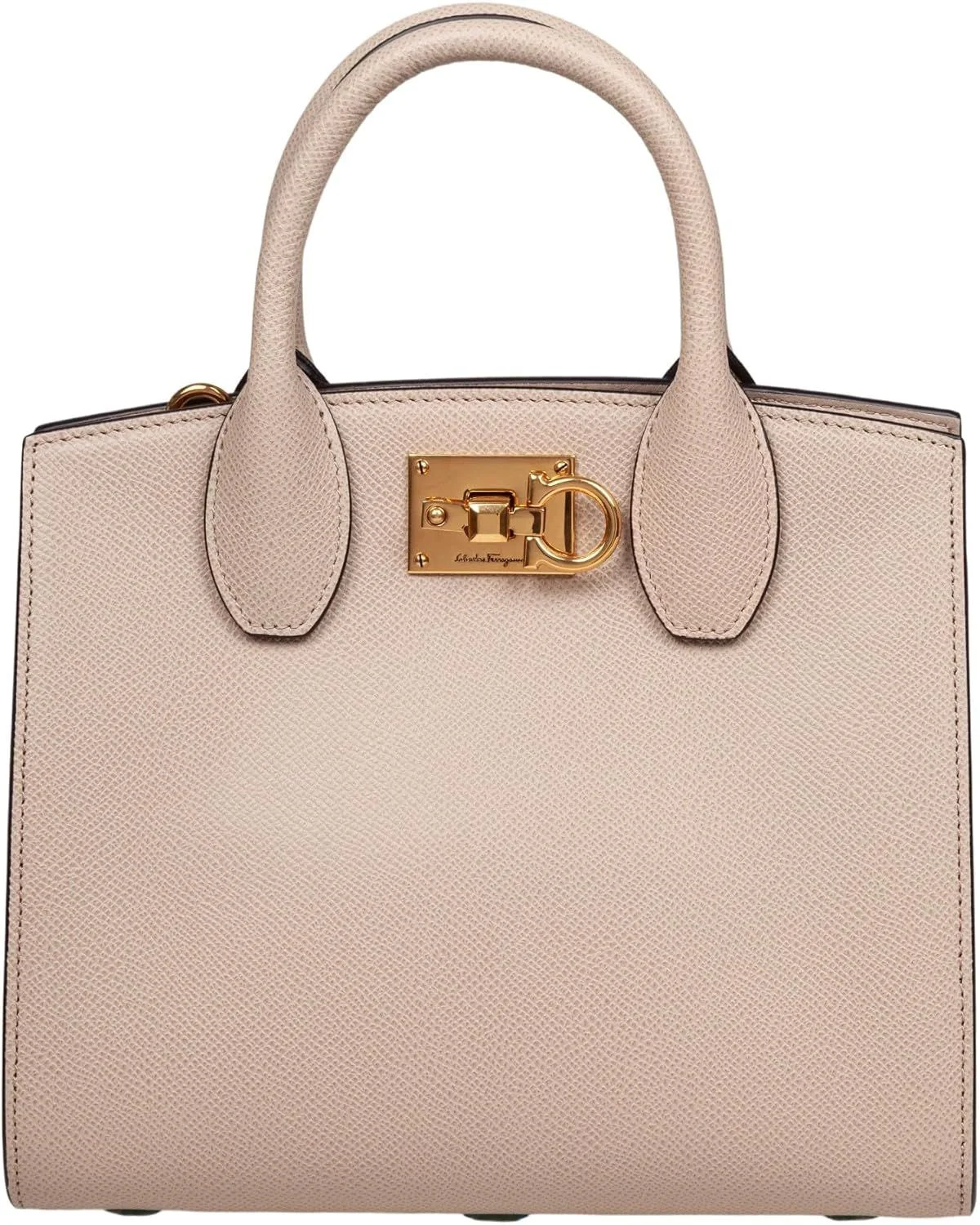
Ferragamo is often undervalued in resale conversations, but the brand's craftsmanship and Italian heritage command respect among knowledgeable buyers. The Gancini hardware is iconic, and the Studio Box's structured silhouette is timeless. Ferragamo pieces tend to hold 45-60% of retail — less than Gucci but more than most accessible luxury brands.
Versace Medusa Black Satin & Leather Clutch
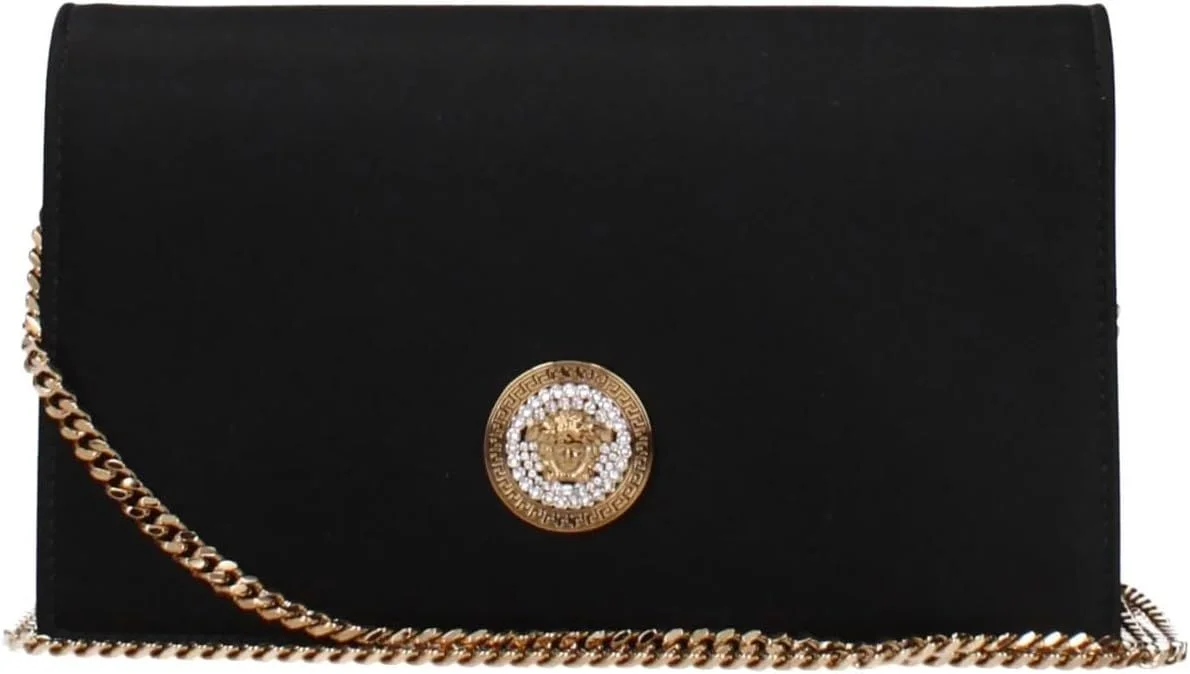
Versace's Medusa motif is one of fashion's most recognizable symbols, and evening bags from luxury Italian houses hold value well in the resale market. The satin-and-leather construction is distinctive, and Versace's brand cachet has been rising steadily under new creative direction. Limited evening bag supply on the secondary market works in this bag's favor.
Ultra-luxury note: The FENDI Cashmere Shopper ($2,500+) and FENDI Fendigraphy Leopard ($2,500+) from FENDI are collector-grade pieces. Their resale performance depends heavily on condition, as the delicate materials (cashmere wool, lamb fur) require specialized care. In pristine condition, FENDI limited pieces can hold 50-65% of retail. With any material degradation, they drop to 25-35%. These are passion purchases with investment potential — not pure investment plays.
Tier 3: Great Quality, Modest Resale
These bags deliver exceptional value for the money, but their resale performance is modest. Buy them because they are excellent bags to use and enjoy — not for appreciation potential.
The Coach Tabby 26 ($300–$500) holds roughly 45-55% of retail — Coach's brand perception has improved dramatically, and the Tabby line specifically has strong secondary market demand. The Prada Vitello Phenix ($1,500–$2,500) retains 50-60% thanks to the Prada name, though the bold red colorway limits the buyer pool.
The accessible luxury tier — Brahmin Duxbury ($300–$500), Kate Spade Knott ($300–$500), MK Kensington ($300–$500), Frye Melissa (Under $300), and Dooney & Bourke Gretta (Under $300) — typically retains 25-40% of retail. These brands compete on quality and value rather than resale prestige. They are phenomenal bags to carry; they are not financial instruments.
The 6 Factors That Drive Resale Value
1. Brand Recognition
Global brand recognition is the foundation of resale value. Buyers on platforms like The RealReal and Vestiaire Collective search by brand name. Louis Vuitton, Gucci, Prada, and FENDI have the global awareness that generates consistent secondary market demand. Brands with regional recognition (Brahmin, Dooney & Bourke) have a smaller resale audience, which depresses prices.
2. Design Longevity
Bags with timeless designs hold value because demand persists across fashion cycles. The LV monogram has been desirable for over 100 years. The Gucci Soho's embossed GG has been consistently in demand for over a decade. Conversely, bags tied to a specific trend (unusual shapes, viral colors, influencer collaborations) depreciate rapidly once the trend passes.
3. Material Durability
Materials that age well command higher resale prices because they look good longer. Saffiano leather (Prada) maintains its appearance for decades. LV coated canvas is virtually indestructible. Full-grain Italian leather (Frye) develops a desirable patina. On the other hand, delicate materials — suede, satin, cashmere, lamb fur — require perfect maintenance to retain value.
4. Condition
Condition is the most controllable factor in resale value. An "excellent" condition bag commands 2-3x the price of a "fair" condition bag of the same model. Proper storage (stuffed with tissue, in a dust bag, away from sunlight), regular maintenance (leather conditioning every 3-4 months), and careful use (avoiding rain, rough surfaces, overcrowding) directly translate to dollars when you sell.
Keep every piece of original packaging — dust bag, box, authenticity card, receipt, tags. A complete packaging set adds 10-15% to resale value at any condition level. The authenticity card alone can add 5-8%. Store these items alongside the bag, and never discard them — even if you think you will never sell.
5. Colorway
Black retains the most value across all brands, followed by brown, beige, and navy. Bold or seasonal colors (pink, red, yellow, white) have a smaller resale buyer pool, which drives prices down 15-25% compared to the same model in black. The exception: iconic brand colors (Hermes orange, Tiffany blue) that have become part of the brand's identity.
6. Supply and Demand on the Secondary Market
Bags that are discontinued or hard to find at retail command premium resale prices. The LV Pochette Accessoires has been periodically discontinued and re-released, creating scarcity-driven demand. Conversely, bags that flood the resale market (mass-produced models from Michael Kors, Coach outlet lines) depreciate because supply exceeds demand.
Outlet vs. mainline matters enormously. Outlet-specific bags (Coach Factory, Michael Kors Outlet) are produced at lower cost with different materials and construction. They resell at 15-30% of their already-lower outlet retail price. Always buy mainline products from the primary collection if resale value matters. The Coach Tabby 26 is a mainline Coach product — not an outlet piece — which is why it holds value significantly better than Coach Factory bags.
5 Investment Mistakes to Avoid
Mistake 1: Buying Trendy Bags as "Investments"
The viral bag of the season is not an investment — it is a fashion purchase. Bags that spike in popularity due to influencer endorsements or social media trends almost always depreciate once the hype fades. Invest in timeless designs with proven multi-decade demand, not fleeting trends.
Mistake 2: Neglecting Maintenance
A premium Prada bag stored without a dust bag, unconditioned, and stuffed in a closet will lose 40-50% of its resale value from condition degradation alone. Budget $40-60 for care supplies (leather conditioner, rain spray, dust bag, tissue paper) and maintain quarterly. See our care guide for specific maintenance instructions.
Mistake 3: Confusing Brand with Investment Quality
Not every bag from a premium brand is an investment-grade piece. A seasonal Gucci bag in a novelty color may depreciate faster than a classic Coach Tabby in black. The model, colorway, and material matter as much as the brand name. Focus on the combination of all factors, not just the logo on the hardware.
Mistake 4: Buying Pre-Owned at Near-Retail Prices
Buying a pre-owned bag at 85% of retail is rarely a good investment — you have already absorbed most of the depreciation risk with limited savings. If you buy pre-owned for investment, target bags at 50-60% of retail in excellent condition, where there is meaningful room for value retention or appreciation.
Mistake 5: Over-Concentrating in One Brand
Diversification matters in handbag investing just as in financial investing. If a brand suffers a creative direction shift or a PR crisis, all bags from that brand depreciate simultaneously. Owning bags across 2-3 premium brands spreads your risk. A portfolio of LV, Gucci, and Prada pieces is more resilient than five bags from one brand.
Frequently Asked Questions
Are luxury handbags a good financial investment?
Certain luxury handbags can be excellent investments. Louis Vuitton monogram pieces appreciate 3-5% annually on average. Select Gucci bags retain 50-70% of retail. However, most luxury bags depreciate like any other consumer good. The key distinction is between investment-grade bags (LV, classic Gucci, Prada saffiano) and fashion purchases (trendy styles, seasonal colors, niche brands). Buy what you love first — resale value is a bonus, not a retirement plan.
Which luxury handbag brand holds its value best?
Louis Vuitton holds the strongest resale value among accessible luxury brands, with monogram canvas pieces retaining 80-100% of retail and sometimes appreciating beyond retail. Gucci ranks second, especially for iconic styles like the Soho and GG Marmont lines. Prada saffiano leather pieces hold 60-70% of retail value consistently. Among ultra-luxury brands (not in our catalog), Hermes Birkin and Kelly bags and Chanel Classic Flaps routinely sell above retail.
How does condition affect resale value?
Condition is the single biggest factor in resale value after brand and model. An "excellent" condition bag (minimal signs of use, clean interior, working hardware) typically commands 70-90% of its category's maximum resale price. "Good" condition (moderate wear, minor scuffs) drops to 50-70%. "Fair" condition (visible wear, stains, hardware tarnish) drops to 30-50%. Original packaging (dust bag, box, authenticity card) adds 10-15% to resale value at any condition level.
Should I buy a trendy bag or a classic for investment?
Always buy classics for investment. Trendy bags depreciate rapidly once the trend passes — a viral bag that sells out today may resell at 40% of retail in two years. Classic styles like the LV Pochette, Gucci Soho, and Prada Esplanade maintain demand decade after decade because their designs are timeless. If you want a trendy bag, buy it because you love it and expect zero return on resale.
Where should I sell my luxury handbag?
The best platforms for selling luxury handbags in 2026 are The RealReal (consignment with authentication — takes 20-40% commission), Vestiaire Collective (peer-to-peer with authentication — takes 12-25%), Rebag (instant quotes with free shipping — competitive pricing), and eBay (highest reach but requires self-authentication). For maximum return, The RealReal and Vestiaire Collective offer the best combination of reach, authentication, and pricing.
Do limited edition bags appreciate more than standard models?
Not always. Limited editions from top-tier brands (LV collaborations, Gucci special releases) can appreciate significantly — sometimes 200-300% over retail. But limited editions from mid-tier brands often depreciate faster than their standard models because the scarcity is artificial and demand is temporary. A classic LV Pochette in standard monogram has more reliable long-term value than most limited editions from lesser-known brands.
Start Building Your Collection
The smartest handbag investment is one you love carrying AND that holds its value. Start with a classic design from a top-tier brand in a neutral color — then enjoy it while knowing your purchase is protected by strong resale demand.
Our top investment pick is the LV Pochette Accessoires in the $500–$1,000 range — the strongest resale performer in our catalog with 85-110% value retention. For a higher-capacity investment, the Gucci Soho Flap in the $1,000–$1,500 range combines iconic design with robust 60-75% resale potential.